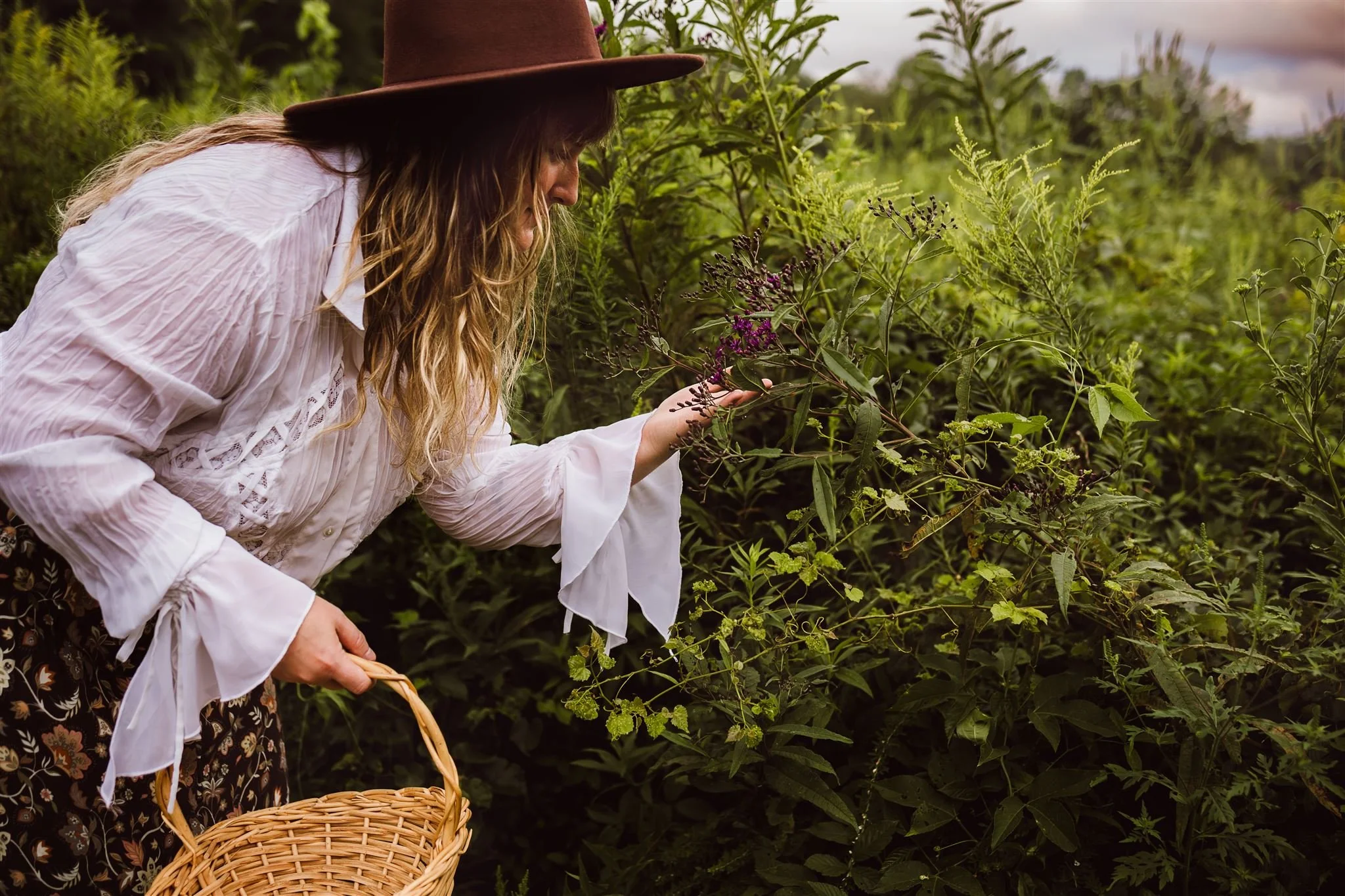
Guiding Beliefs
Herbalism is for Everyone.
Every culture on this planet has developed its own relationship with plants. Across time and place, people have turned to the land for nourishment, medicine, ritual, and care. Herbalism is not owned by any one tradition. It is a shared human inheritance shaped by culture, environment, and lineage.
In a modern world that often feels polarized and fragmented, herbalism offers a quiet point of connection. While practices differ widely, the underlying impulse is the same: to listen to the land, tend the body, and support one another through relationship with plants.
I believe there is deep value in honoring the diversity of herbal traditions while also recognizing what they share. Seeing ancestral practices continue, adapt, and re-emerge in contemporary life is a reminder that plant wisdom is living, evolving, and accessible. Herbalism can be a bridge, inviting curiosity, respect, and dialogue rather than division.
Herbalism is for everyone, when practiced with humility, care, and reverence for the cultures and lineages it comes from.
Reciprocal relationships are important.
If there is one principle that sits at the heart of my practice, it’s this: our relationship with plants must move beyond extraction.
Much of modern culture approaches nature through the lens of utility: What can this plant do for me? What often gets lost is relationship. Plants are living, responsive beings. Science continues to reveal what many traditions have long known: plants communicate, share resources, respond to threat, and exist within vast networks of mutual support.
When we reduce plants to tools, we miss the deeper conversation. Herbalism is not about using plants, but working with them, listening, observing, and responding in kind. This shift in mindset changes everything. It deepens respect, sharpens discernment, and transforms herbal practice from a collection of remedies into a living relationship.
Reciprocity invites us to ask different questions: How do I tend this plant? How do I give back? How do I move with care? When we honor plants as collaborators rather than commodities, our connection to the natural world and to our own bodies grows richer and more meaningful.
Energetic herbalism is just as important as scientific information.
Plants are multifaceted beings, much like we are. They offer medicine not only through their physical constituents, but also through folklore, symbolism, and energetic relationship. I believe that working with plants on an energetic and spiritual level is just as meaningful as understanding their scientific properties. What we believe shapes our nervous systems, our emotions, and our relationships with ourselves, others, and the natural world.
Much of what we now accept as scientific truth was once dismissed or misunderstood. There is still so much we do not know. Often, a plant’s physical medicine mirrors its energetic teachings, and there is a deep relationship between how plants support us both spiritually and physiologically. Neither is superior to the other. They are intertwined, and both deserve respect.
Herbalism is a political act.
For most of human history, plant medicine was the medicine. It lived in homes, communities, and lineages, passed through relationship and lived experience. As modern medical systems expanded, many traditional practices, including herbalism, were systematically dismissed, criminalized, or marketed as superstition, witchcraft, or “snake oil.” This suppression didn’t happen in isolation; it occurred alongside the marginalization of midwives and people of color, traditional healers, and community-based medicine (the Flexner Report is one well-known example of this shift).
This transition fundamentally changed healthcare. Preventive, relational, and community-rooted care was deprioritized in favor of disease-focused systems that intervene once the body is already in crisis. While modern medicine is invaluable in acute and life-threatening situations, it often lacks meaningful support for prevention, early imbalance, and long-term nervous system health.
Herbalism challenges this model. It reminds us that care can be local, relational, and rooted in the home. It is not profitable for large systems when medicine comes from a neighbor’s garden, a local herbalist, or a lineage of traditional knowledge rather than a patentable product.
In this way, herbalism becomes an act of resistance, not through opposition, but through remembrance. It resists disconnection, over-medicalization, and the idea that health must be outsourced. Practicing herbalism is a way of reclaiming agency, honoring ancestral knowledge, and choosing care that values prevention, relationship, and autonomy.
Every home needs an herbalist.
This phrase is often shared within the herbal community, and it’s one I deeply agree with. At its core, it speaks to something we’re missing: accessible, everyday wellness support rooted in prevention rather than reaction.
Many modern health challenges are increasingly linked to chronic stress, nervous system strain, and gut imbalance. When we only address health once something is wrong, we miss the opportunity to support the body in staying well in the first place.
Herbalism offers simple, practical ways to care for ourselves at home. Small, consistent practices, like drinking daily herbal tea, seasoning food with herbal salts, incorporating wild or nutrient-dense foods, and creating a calming nighttime routine, can have a meaningful impact over time. These acts don’t require specialization or perfection; they begin in the rhythms of daily life.
To me, being an herbalist isn’t about replacing medical care. It’s about restoring relationship with our bodies, our kitchens, our nervous systems, and the plants that support us. When that relationship lives in the home, wellness becomes something we tend gently and consistently, not something we chase only when it’s lost.
You don’t need to know everything to call yourself a Herbalist.
Many people hesitate to call themselves herbalists, even while actively working with plant medicine. If you work with plants, if you prepare remedies, learn from them, and engage with them intentionally, you are already practicing herbalism.
There is a long-standing understanding in the herbal world that learning never ends. There is always more to study, more plants to meet, more nuance to uncover. Total mastery is not the goal, and it never has been. Herbalism is a lifelong relationship, not a destination.
Like any skill, it’s far more meaningful to know a few things deeply than to know a little about everything. Depth builds confidence, discernment, and respect for the plants. Rather than worrying about what you don’t know, you’re invited to focus on what you do know and to tend that knowledge with care.
Claiming the title of herbalist isn’t about expertise or completion. It’s about relationship, practice, and willingness to keep learning. That alone is enough.